
Celebrate Juneteenth. Learn about great Black Muslims.
This Juneteenth page is designed to celebrate freedom by introducing visitors to major figures in Black Muslim history. Start with the timeline, move through the eras, and then take the challenge.
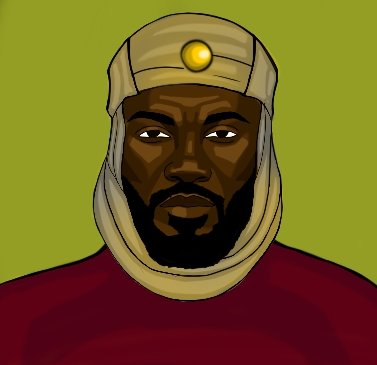
Mansa Musa
Principle: civilizational visibility. Mali’s wealth, pilgrimage, and patronage made Black Muslim sovereignty visible across the wider world.
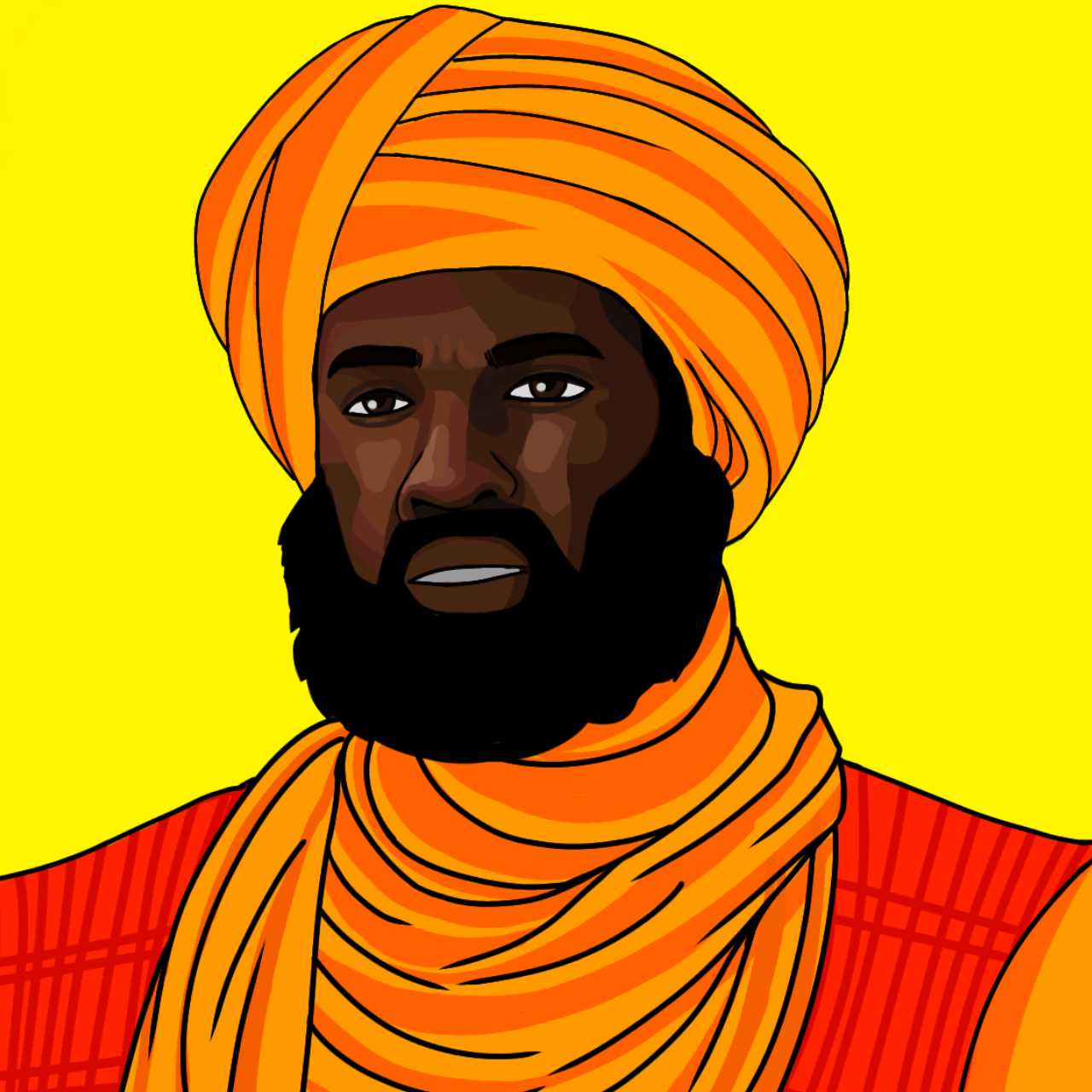
Askia Muhammad
Principle: Islamic governance. Askia represents pilgrimage, administrative order, scholarly patronage, and the political seriousness of Black Muslim civilization.
Civilization and Statecraft
Black Muslim power begins with empires, scholarship, pilgrimage, and governance — not with marginality.
Scholarship and Pedagogy
Black Muslim learning included poetry, women’s education, teaching networks, and scholarly discipline.
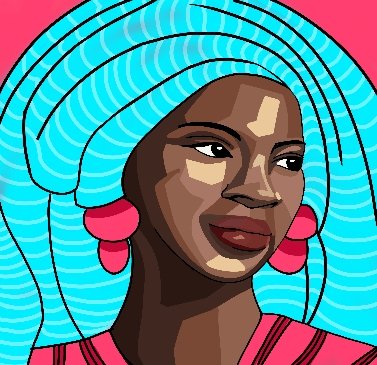
Faith Under Bondage
Enslaved African Muslims preserved literacy, dignity, and memory against forced erasure.
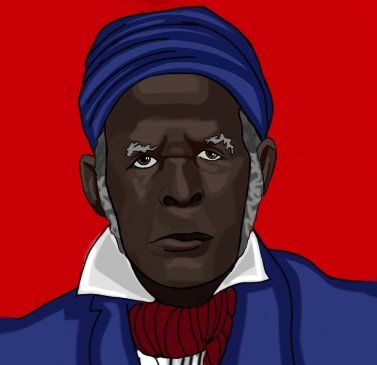
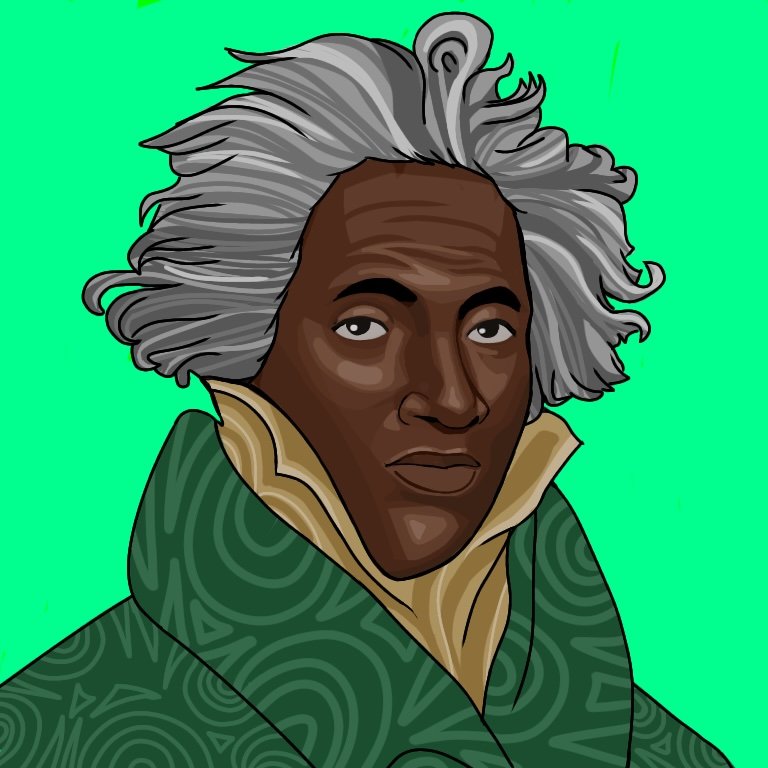
Public Witness
Black Muslim life became a public language of dignity, conscience, and international human-rights critique.


Legacy and Liberation
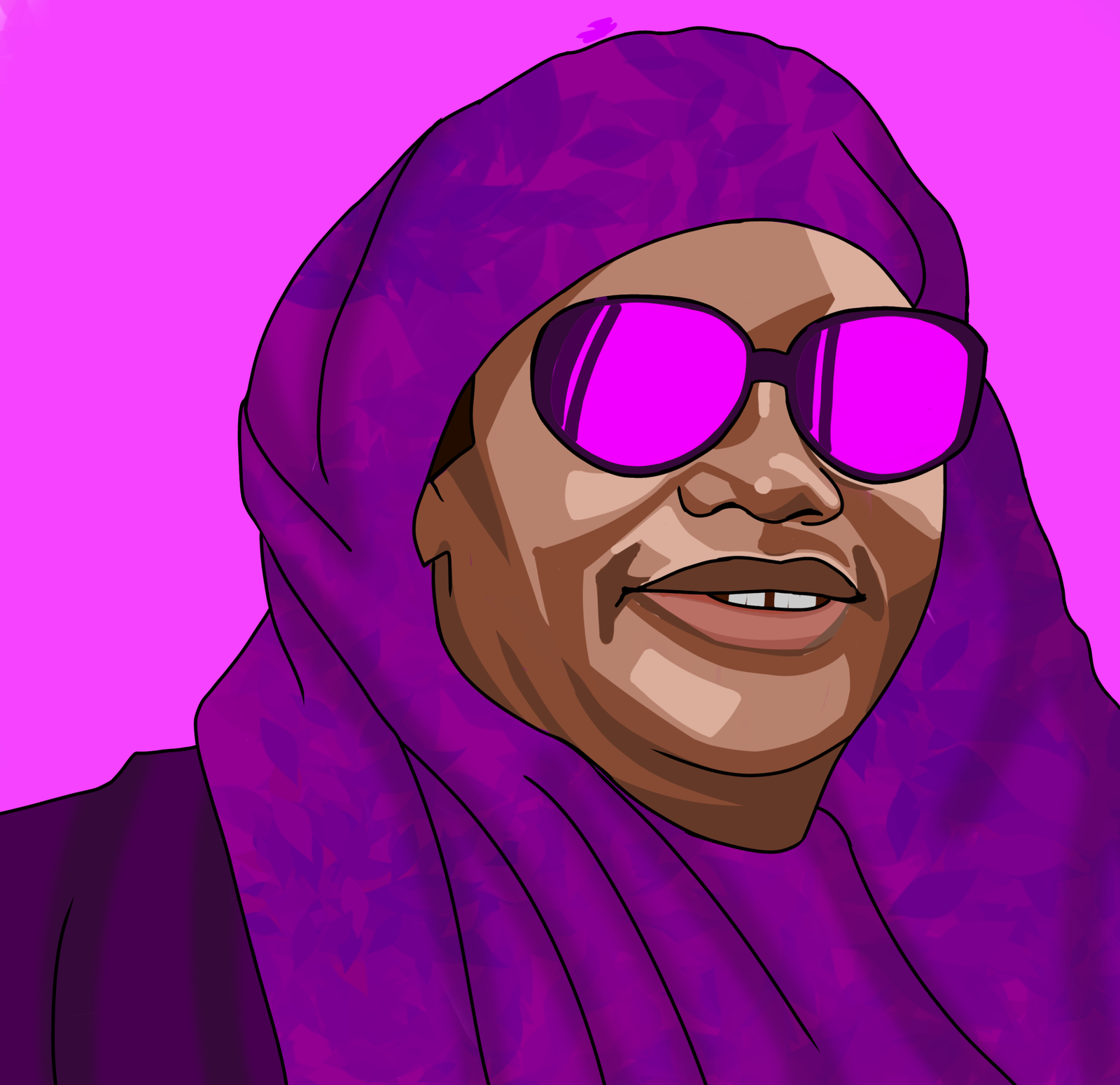
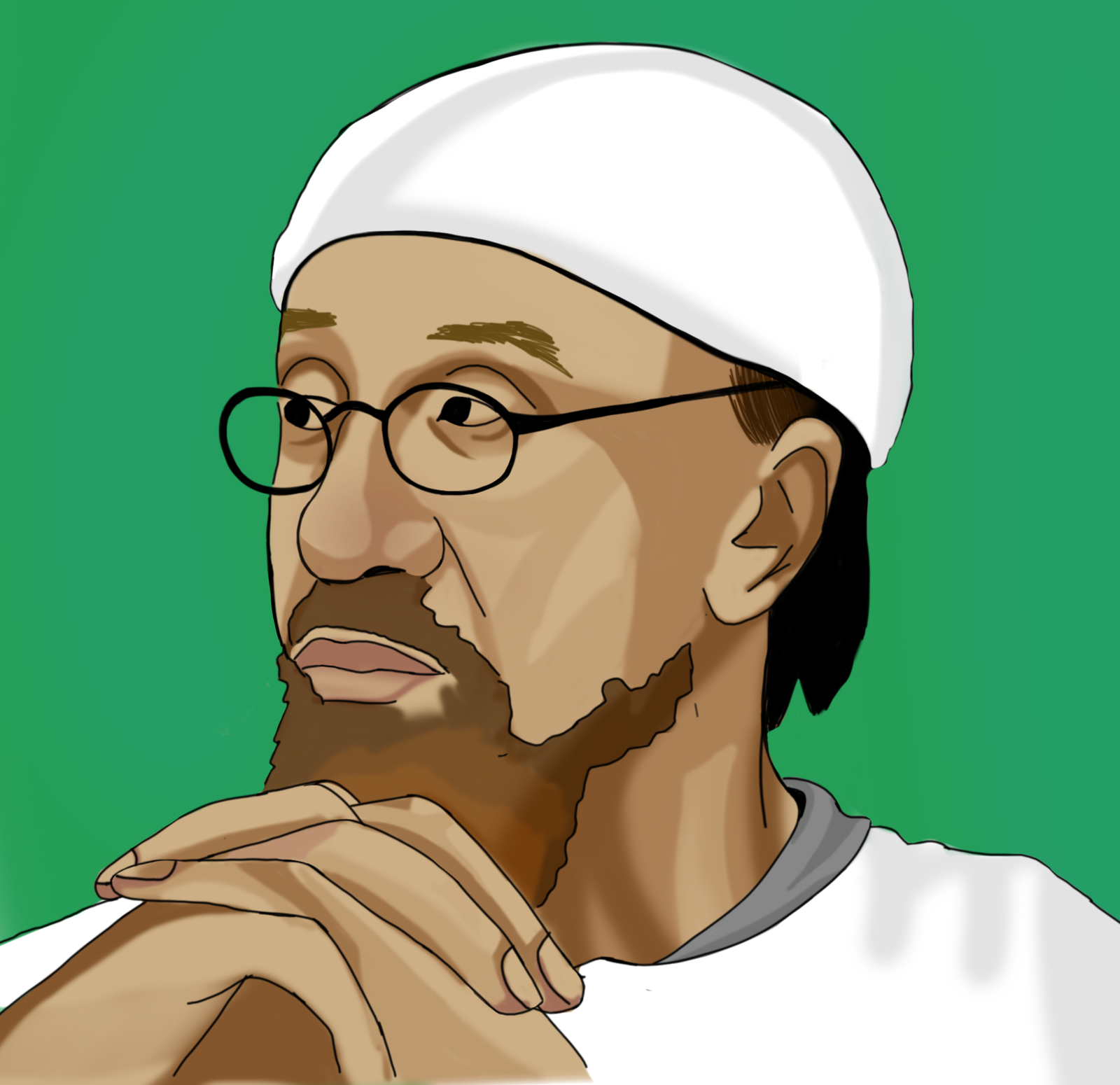
Modern figures show legacy preservation, prison justice, community leadership, and disciplined transformation.
BDN as an Institution
Black Dawah Network represents institution-building in the present: education, public memory, da‘wah, and Black Muslim organizational work.
Question appears here.
Prompt appears here.
Continue the Black Muslim History Challenge
Enter your name and email to continue.
Complete your contact information to keep playing and receive Black Dawah Network updates.
Continue the study. Get the e-book.
The challenge is only the doorway. Continue with a deeper Black Muslim history reading experience and let Black Dawah Network follow up with the e-book.
What the e-book can reinforce
- Black Muslim civilization before America
- Mansa Musa, Askia Muhammad, and West African Islam
- enslaved Muslim literacy and memory
- public witness, conscience, and family legacy
- principles for study, teaching, and da‘wah
