
Celebrate Juneteenth. Learn the great Black Muslims.
Start with the timeline, test yourself in the challenge, then carry it into the masjid: Juneteenth khutbah ideas, educational points, and resources — all in one place.
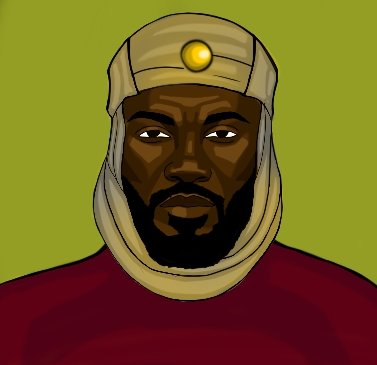
Mansa Musa
Principle: civilizational visibility. Mali’s wealth, pilgrimage, and patronage made Black Muslim sovereignty visible across the wider world.
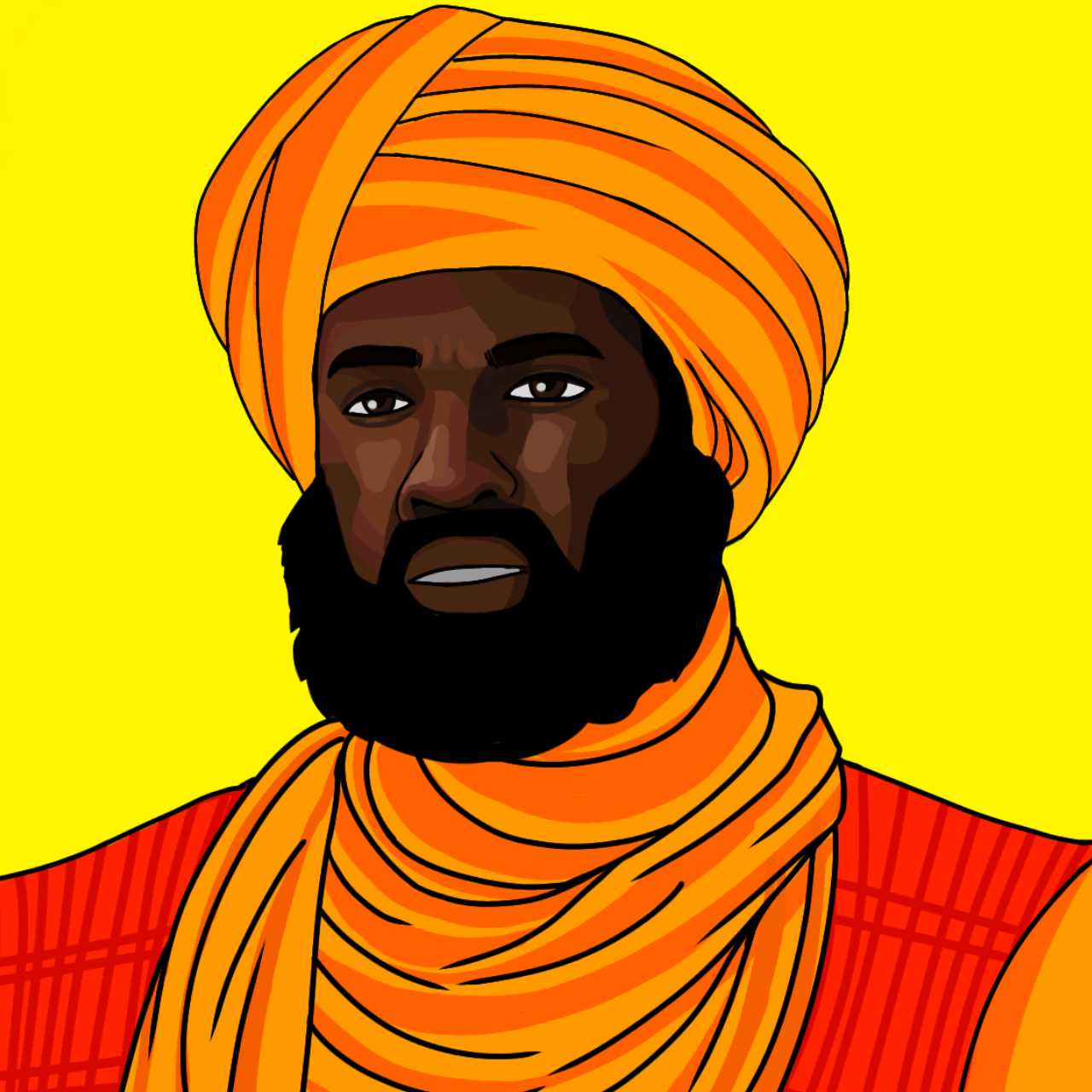
Askia Muhammad
Principle: Islamic governance. Askia represents pilgrimage, administrative order, scholarly patronage, and the political seriousness of Black Muslim civilization.
Civilization and Statecraft
Black Muslim power begins with empires, scholarship, pilgrimage, and governance — not with marginality.
Scholarship and Pedagogy
Black Muslim learning included poetry, women’s education, teaching networks, and scholarly discipline.
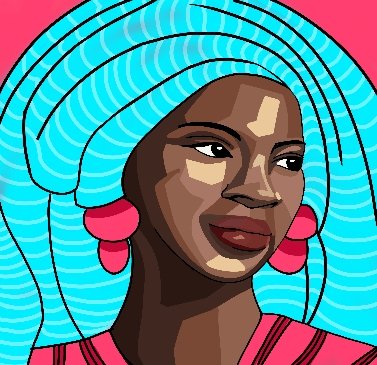
Faith Under Bondage
Enslaved African Muslims preserved literacy, dignity, and memory against forced erasure.
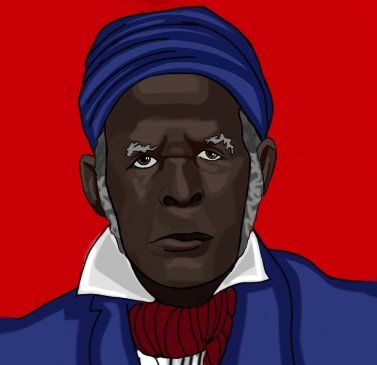
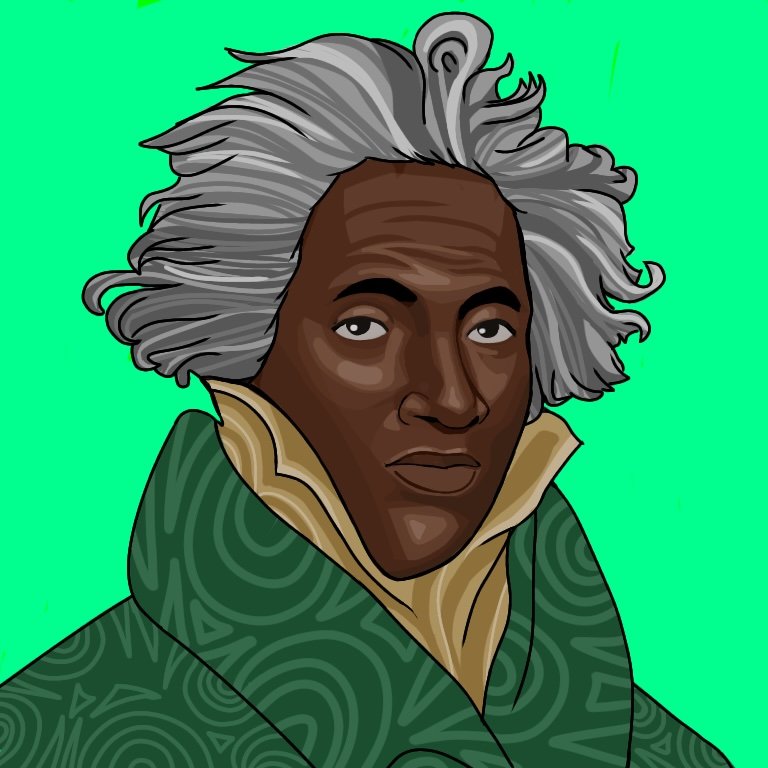
Public Witness
Black Muslim life became a public language of dignity, conscience, and international human-rights critique.

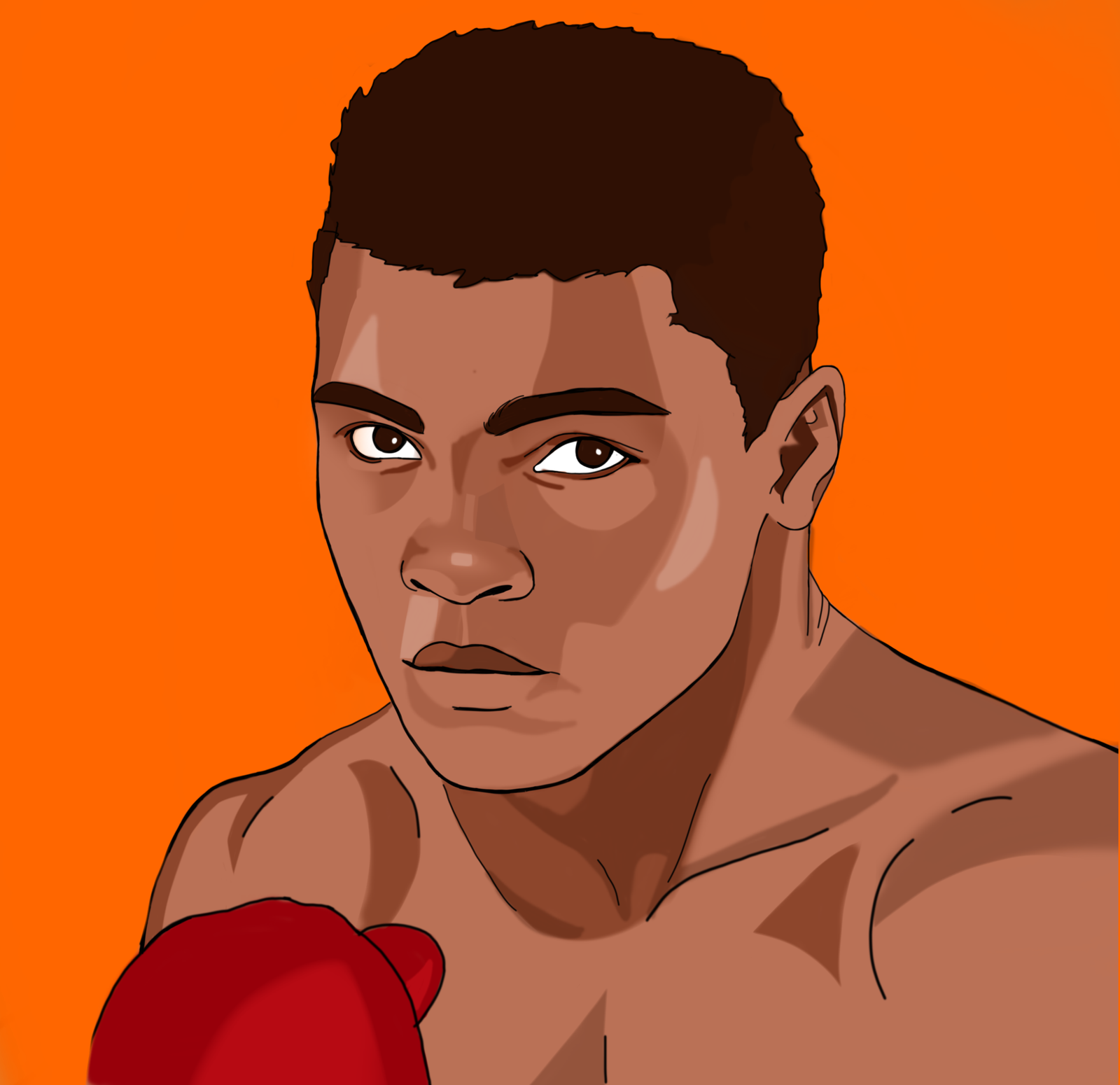
Legacy and Liberation
Modern figures show legacy preservation, prison justice, community leadership, and disciplined transformation.
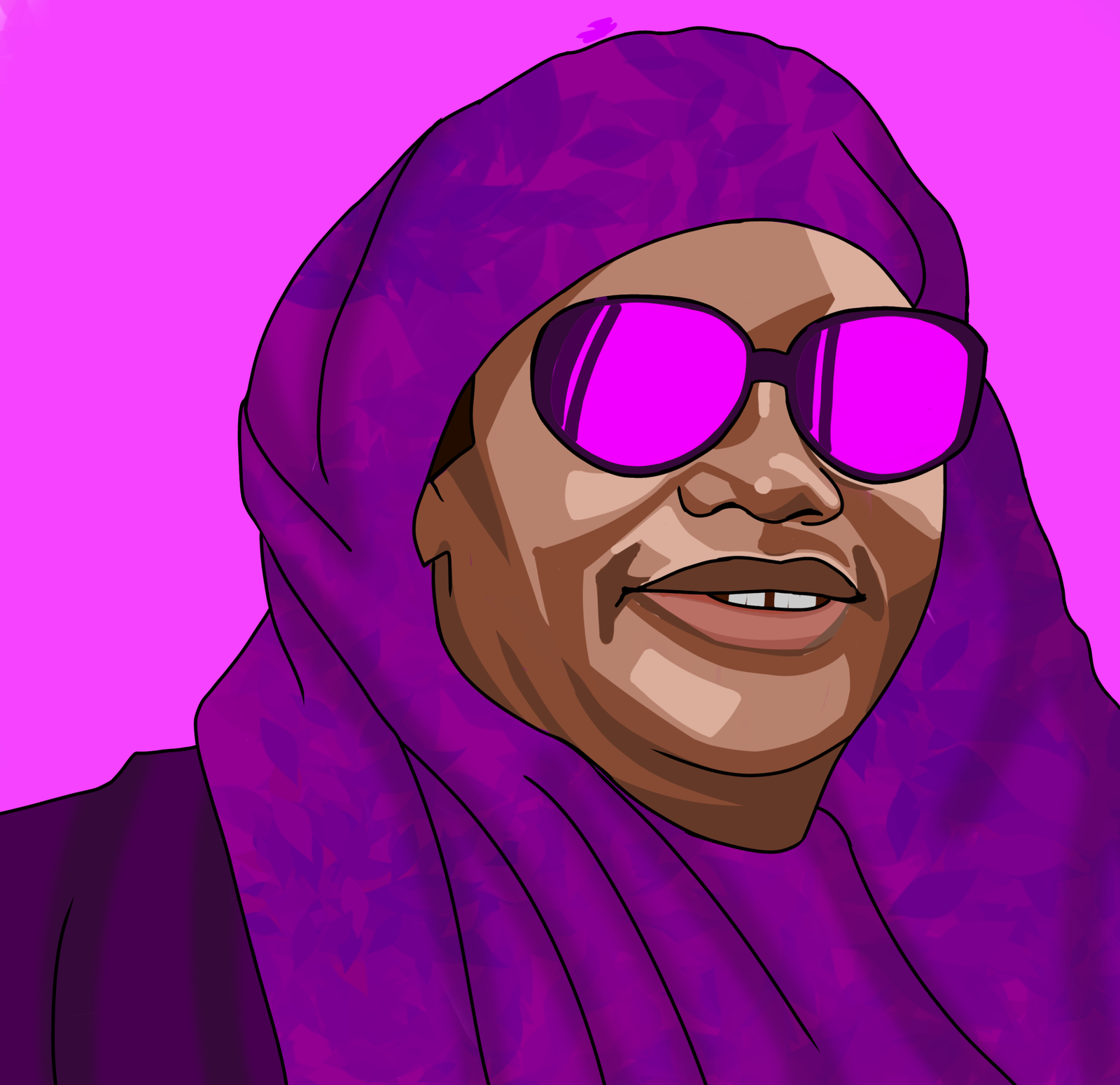
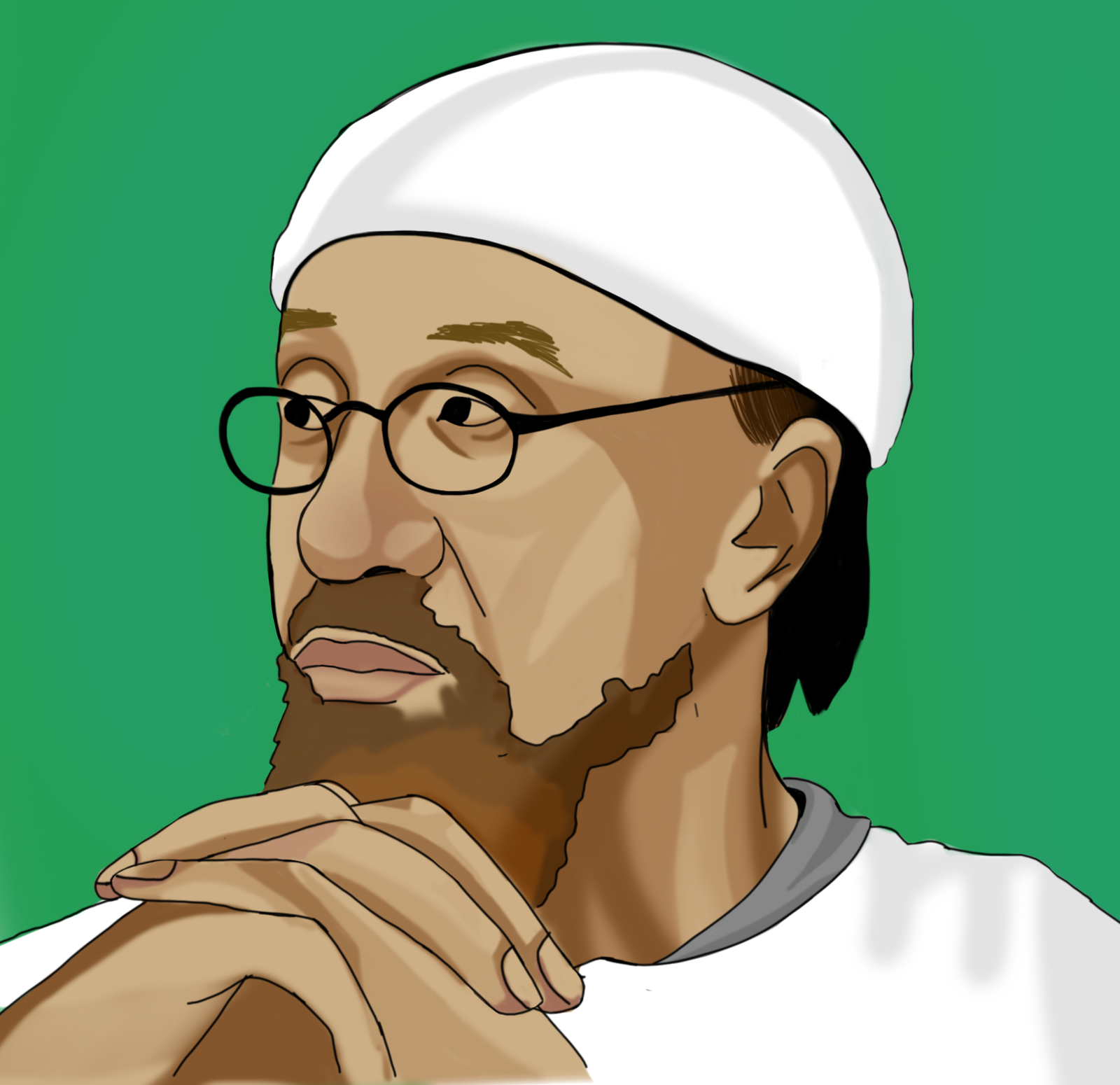
BDN as an Institution
Black Dawah Network represents institution-building in the present: education, public memory, da‘wah, and Black Muslim organizational work.
Question appears here.
Prompt appears here.
Continue the Black Muslim History Challenge
Enter your name and email to continue.
Complete your contact information to keep playing and receive Black Dawah Network updates.
Continue the study. Get the e-book.
The challenge is only the doorway. Continue with a deeper Black Muslim history reading experience and let Black Dawah Network follow up with the e-book.
What the e-book can reinforce
- Black Muslim civilization before America
- Mansa Musa, Askia Muhammad, and West African Islam
- enslaved Muslim literacy and memory
- public witness, conscience, and family legacy
- principles for study, teaching, and da‘wah
A declaration changes nothing until it reaches the one it was written for. Juneteenth is the day the news of freedom finally landed — and a reminder that guidance only frees a heart once it is received, embraced, and lived.
Union troops arrived to announce that all who had been enslaved were free — more than two years after emancipation had already been proclaimed. The freedom was real long before the word was allowed to land. Declarations alone do not transform reality; truth must be carried, proclaimed, and made to live.
“And what is the matter with you that you do not fight in the cause of Allah and for the oppressed among men, women, and children…”
— Qur'an 4:75 · justice as an act of worshipStarting points for a Juneteenth-conscious khutbah, drawn from the lives in the timeline above. Each one carries the same thread: faith that refuses to accept oppression as the final word.
The Bahia Uprising
In 1835, enslaved Muslim scholars in Bahia, Brazil organized one of the largest urban slave revolts in the Americas — coordinated through documents written in Arabic. A khutbah on a faith that would not accept bondage as permanent.
Omar ibn Said: Escaping to Pray
Omar ibn Said fled his captor and was discovered taking refuge in prayer — the sabr of enslaved Africans who guarded their salah against every pressure to erase it. What would we endure to keep our prayer?
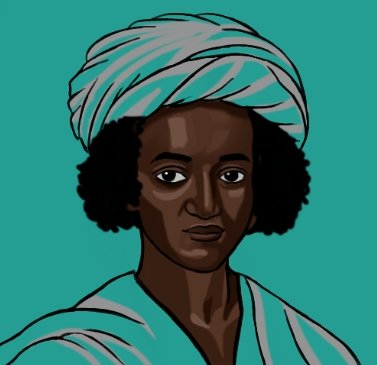
Ayuba Diallo and the Qur'an from Memory
Enslaved and carried far from home, Ayuba Suleiman Diallo reproduced the entire Qur'an from memory — writing out copies by hand. Proof that what is written on the heart cannot be seized in chains.
“When the first slave rebelled against being a slave, he gave an alternative to slavery.”
— Imam Jamil Al-AminGive a Juneteenth-conscious khutbah
Whatever story you choose, root it in the talking points above — freedom delayed but not defeated, and justice as an act of worship. Let the day call the congregation from remembrance to building.
Take the Black Muslim experience further with the book behind this challenge.
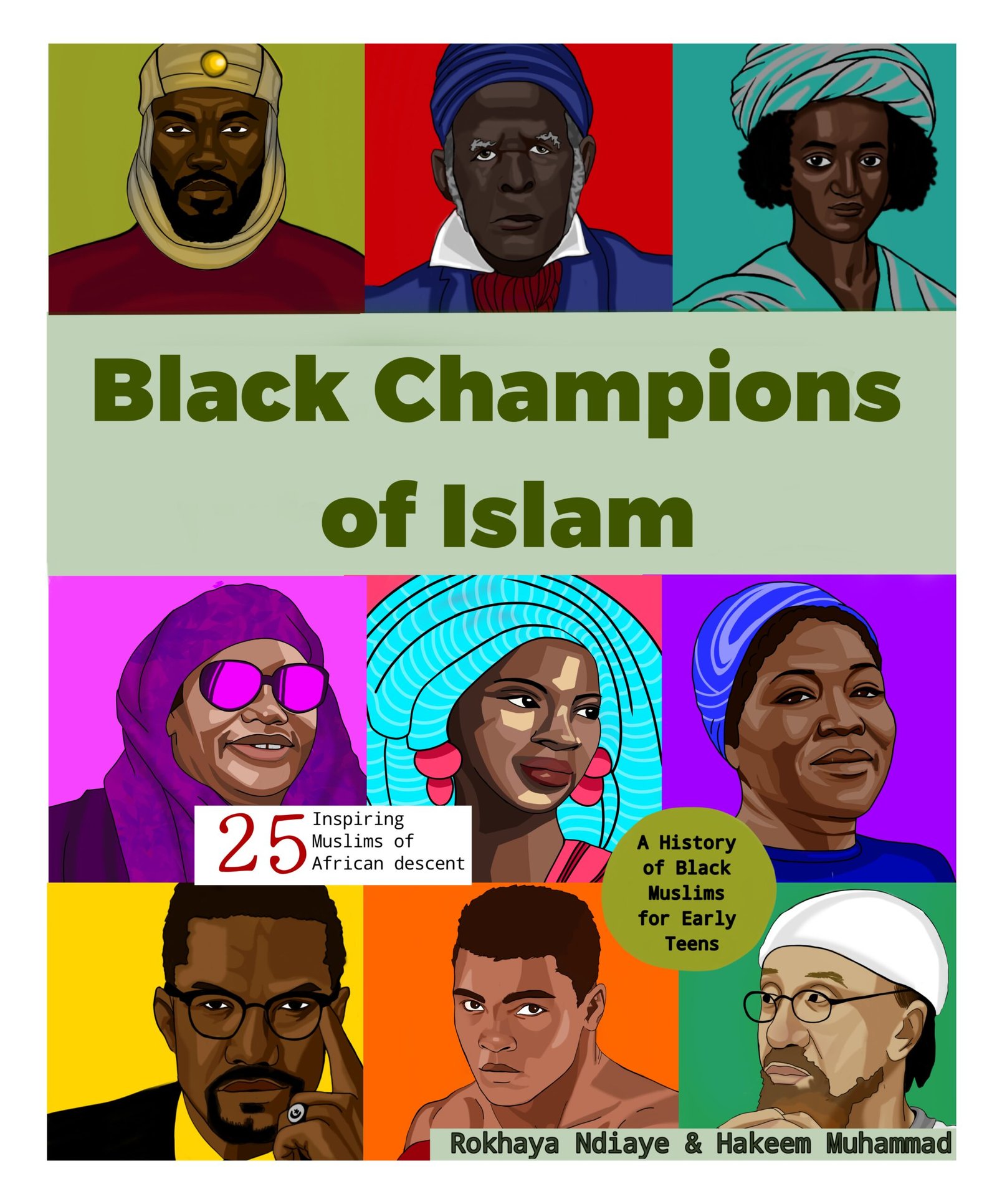
Black Dawah Network presents
Black champions of Islam
The history they left out of your textbooks — kings, scholars, warriors, and freedom fighters who lived and died for their faith.
Fourteen centuries. Twenty-five champions. One inheritance no one can ever take from you.
Juneteenth weekend pricing
Secure checkout via PayPal
