
 OMAHA, NE — On June 7, 2026, the Black Dawah Network (BDN) launched the pilot phase of its No Neighbor Hungry initiative at Intrigue Event Venue in Omaha, Nebraska, delivering groceries directly to families impacted by food apartheid.
WHAT IS FOOD APARTHEID — AND WHY DOES IT MATTER
Food apartheid is the intentional disin vestment in Black communities that limits access to healthy, affordable, nutritious food. The race-neutral language of “food deserts” implies a natural condition. In contrast, food apartheid names the political reality: Black communities were systematically stripped of grocery infrastructure through decades of redlining, supermarket flight, and racialized economic policy.
The consequences are measurable and severe. Black households are more likely to experience food insecurity than the average American household. Black neighborhoods are twice as likely to lack a full-service grocery store. The health outcomes follow the same lines: higher rates of diabetes, hypertension, cardiovascular disease, and shortened life expectancy.
As BDN’s research paper Food Apartheid and the Islamic Imperative to End Hunger documents, children experiencing food insecurity in kindergarten demonstrate 13% lower academic achievement by third grade. Hunger does not just empty stomachs but it suppresses cognition, destabilizes families, and reproduces racial inequality across generations.
“What happened in Omaha on June 7th was not a charity event. It was a Muslim community fulfilling its obligation to Allah by answering the hunger of its neighbor. Food apartheid is a system — and No Neighbor Hungry is our institutional answer to it. We are building this city by city, and we are not stopping until no neighbor goes hungry.”
— Attorney Hakeem Muhammad, Executive Director, Black Dawah Network
“He is not a believer whose stomach is filled while his neighbor goes hungry.”
BDN’s research framework establishes that Islam does not treat hunger as private misfortune but as a collective moral failure — governed by the jurisprudential principle of farḍ kifāyah, which holds the entire Muslim community accountable when a neighbor goes hungry and no one acts. The program draws on the Islamic institutional tradition of zakāt, ṣadaqah, and waqf — tools of organized redistribution that Muslim civilizations used for centuries to eliminate deprivation. This program is born of piety, not pity.
A PILOT DESIGNED TO EXPAND
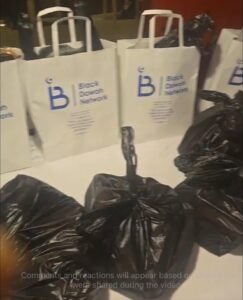 The Omaha launch is a pilot. BDN intends to replicate the No Neighbor Hungry model across its full network of operational cities. This is part of a movement for building a national infrastructure of Islamic-based food justice rooted in the tradition of Malcolm X. Each city presents its own expression of food apartheid.
Each city will receive the same response: organized, dignified, Prophetically grounded direct service to families in need
–The Omaha pilot was made possible through the partnership of the Muslim Alliance for Black Lives (MABL) and ICNA Relief — two national organizations whose collaboration provided the resources and infrastructure to make the launch a reality. BDN extends its gratitude to both partners for their commitment to the material welfare of the Black community.

