
Celebrate Juneteenth through Black Muslim history.
This interactive experience teaches Black Muslim history with a Juneteenth-inspired theme and a more educational quiz format. Students can practice by matching each figure with the right description, virtue, or name through multiple-choice questions.

More Juneteenth color. More matching. More learning.
Each round uses one of three learning modes: choose the correct figure from a description and virtue, choose the correct virtue, or choose the correct description-and-virtue match for a figure. This turns the page into a better trivia and teaching tool.
1. Figure Match
You see a legacy description and a highlighted virtue. Pick the correct historical figure.
2. Virtue Match
You see the figure and a short description. Pick the virtue most closely associated with that person.
3. Legacy Match
You see the figure and choose the best description-and-virtue pair from four multiple-choice options.
Juneteenth Black Muslim History Challenge
Test your knowledge, learn the virtues connected to each figure, and use the feedback panel as a quick teaching explanation after every answer.
Figure Name
Short biography goes here.
Question prompt
Click a figure and review the biography, virtue, and quiz clue.
Use the filters below to focus on early Islam, African Muslim civilization, enslaved Muslim scholars, or the modern Black Muslim legacy.
Black Dawah Network
Free in faith long before they were free in body.
This Juneteenth, we take time to honor and learn about the African Muslims who carried Islam across the Middle Passage — and kept their salah through chains, mockery, and decades of bondage.
A day to honor & learn
The year of emancipation
Read · Remember · Pass it on
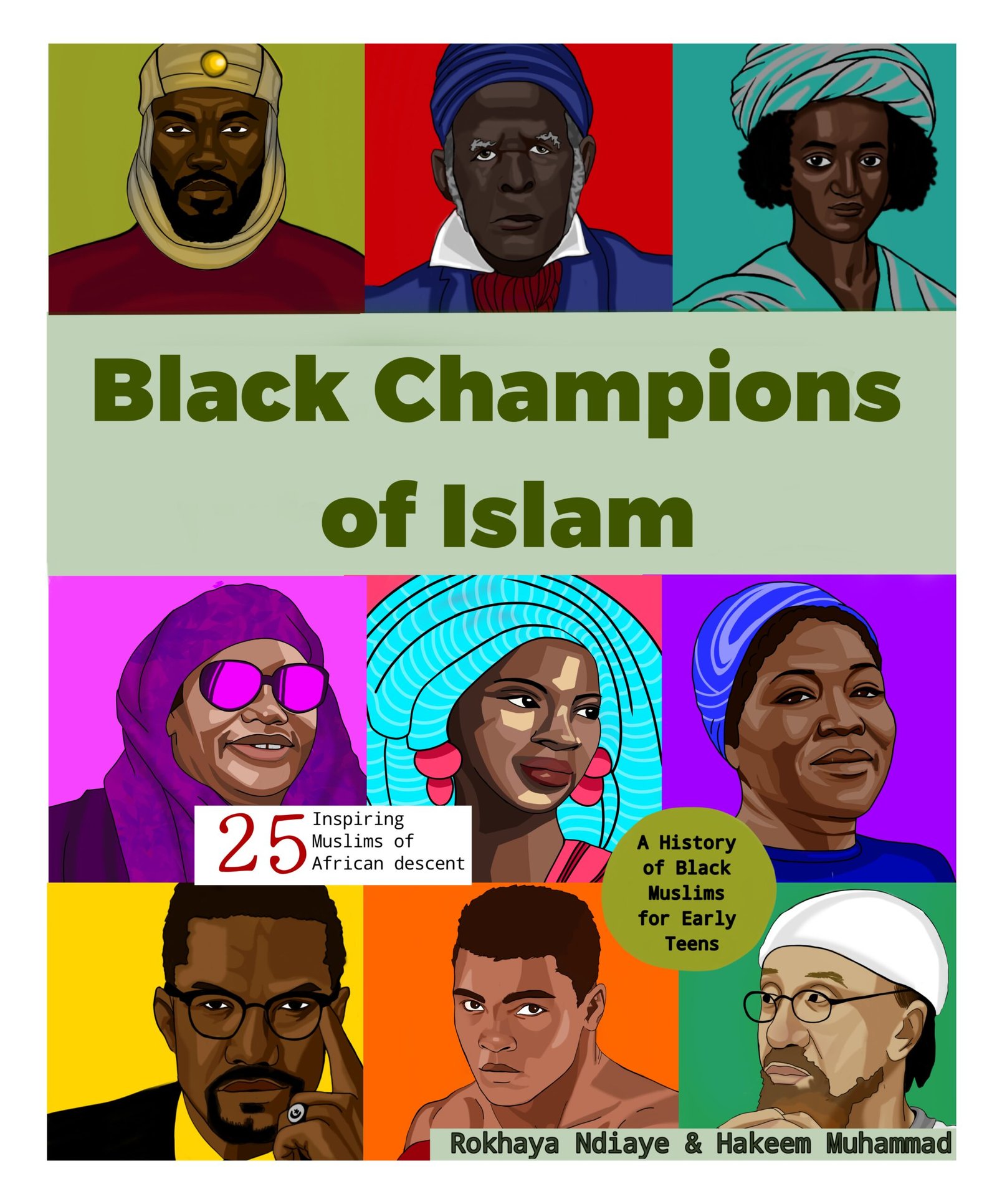
Black Champions of Islam
A Black Dawah Network book · honoring the believers who came before us
Why we remember
بِسْمِ اللهِA history written in Arabic, on American soil.
Roughly one in five Africans brought to these shores was Muslim. They arrived as scholars, princes, and huffaz — men and women who had memorized the entire Qur'an before they ever saw a slave ship.
Slaveholders shaved their beards, mocked their prayers, and renamed them. Yet some wrote out the Qur'an from memory on plantation paper. Some prayed five times a day for sixty years in bondage. Some opened their secret autobiographies with Surah al-Mulk — "Blessed is He in whose hand is the dominion" — a quiet declaration that no man owned them.
The Juneteenth date gives us a moment to recover these names. However each family chooses to mark the day, this is a chance to learn the believers whose lineage of faith and resistance the Black Dawah Network carries forward.
The Believers
Eight lives. One unbroken chain.
From the rice fields of the Lowcountry to the streets of Harlem and Atlanta — Black Muslims who answered jahiliyya with iman.
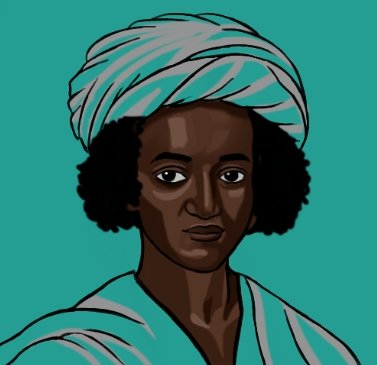
Ayuba Suleiman Diallo
A Fula nobleman and hafiz captured and sold into Maryland in 1731. He kept his prayers in bondage, then wrote out the entire Qur'an from memory — three times, without a single copy to check against. Freed in 1734, he sailed home to Africa.
Carried the Qur'an in his heart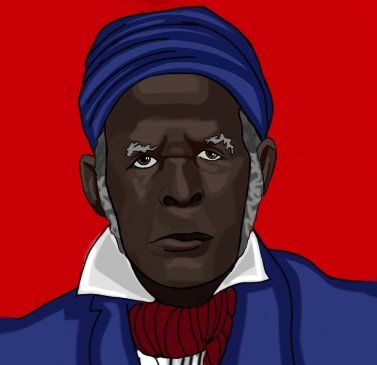
Omar ibn Said
An Islamic scholar enslaved for nearly sixty years in the Carolinas. In 1831 he wrote his autobiography in Arabic — the only known one of its kind — opening it with Surah al-Mulk to declare that dominion belongs to God alone. He died in 1864, one year before abolition.
Wrote freedom in Arabic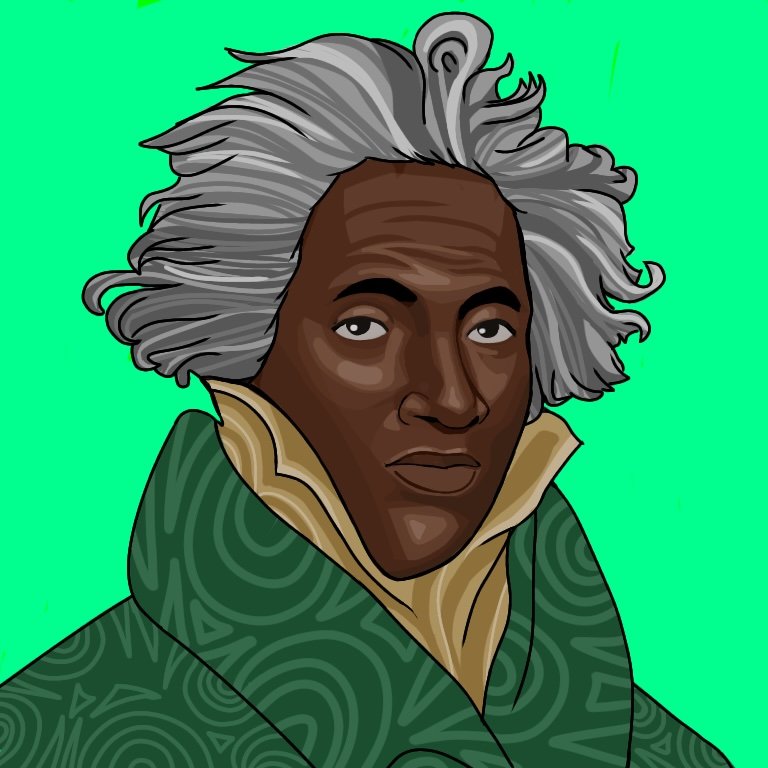
Abdul Rahman Ibrahim
A Fulbe prince enslaved for forty years on a Mississippi plantation. His royal bearing and literacy in Arabic became legend; after four decades his freedom was finally secured in 1828. He set out to return to West Africa, reaching Liberia before his death.
A prince who never bowed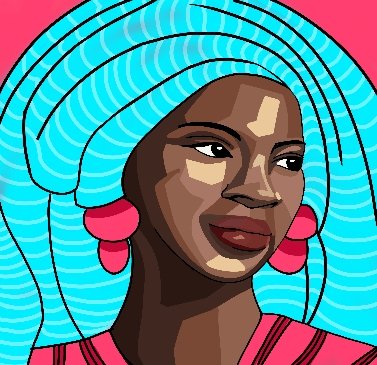
Nana Asma'u
Daughter of Usman dan Fodio, fluent in four languages and steeped in the Qur'anic sciences. She built the Yan Taru — a network of women teachers who carried literacy and Islam across the land — proving Black Muslim womanhood as a force of learning and leadership.
Teacher of a generation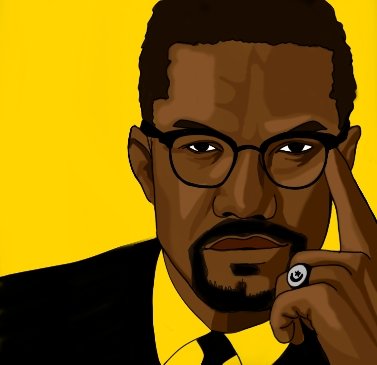
El-Hajj Malik El-Shabazz
The voice that turned the descendants of the enslaved back toward their faith. After his Hajj to Mecca he embraced orthodox Islam and a vision of human dignity beyond race, founding the Organization of Afro-American Unity. His unfinished mission — ending the jahiliyya white supremacy built in Black America — is the very work the Black Dawah Network exists to complete.
The blueprint we build upon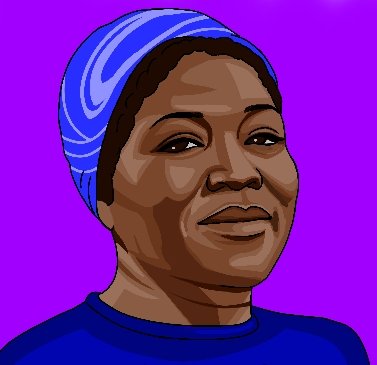
Dr. Betty Shabazz
Far more than the widow of Malcolm X. After his assassination she raised six daughters alone, earned a doctorate in education, and spent her life as an educator and advocate — a pillar of dignity who proved that a believing Black woman's strength outlasts any tragedy.
Strength that endured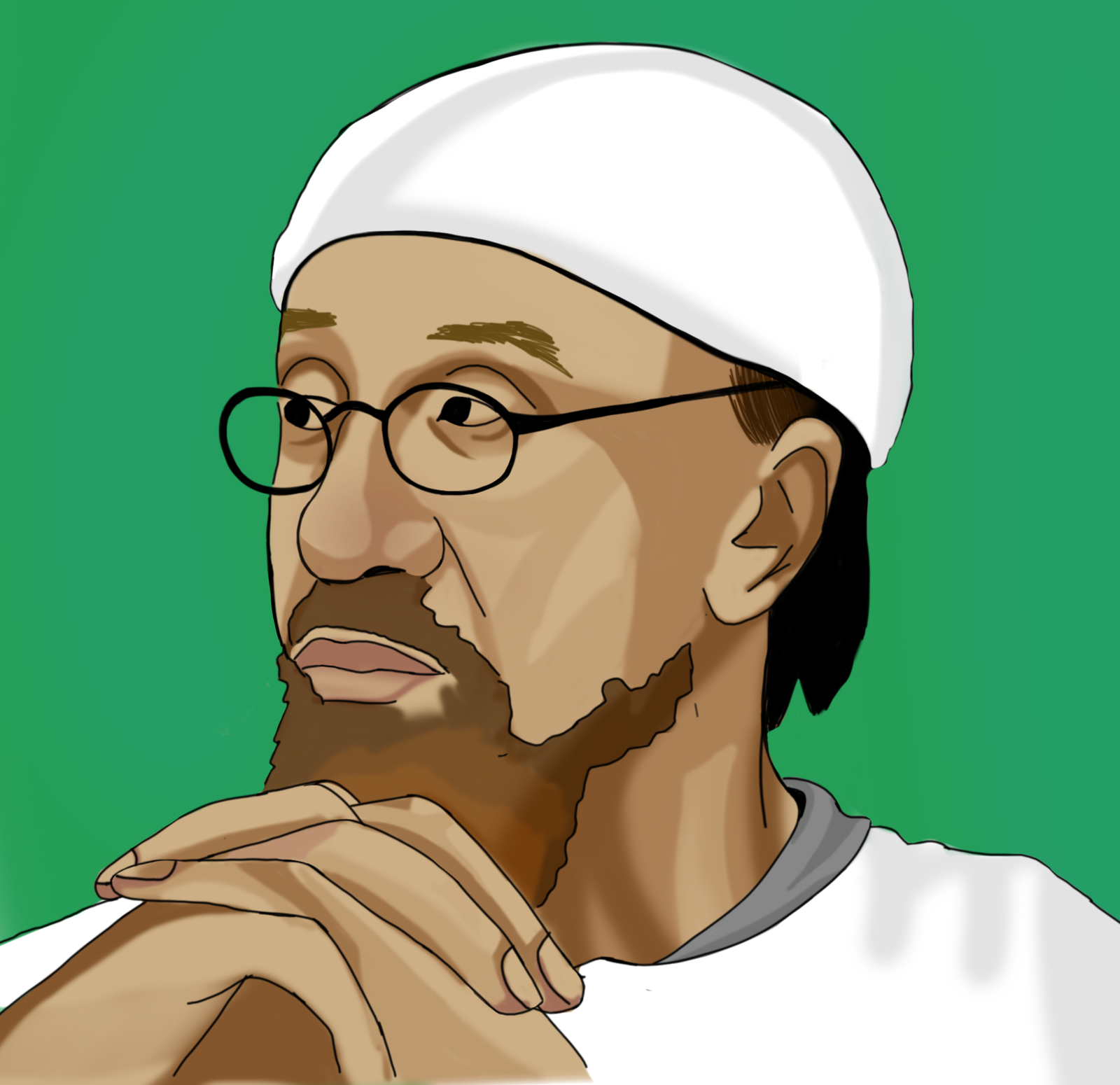
Jamil Abdullah Al-Amin
A leader of the 1960s freedom movement and former chairman of SNCC who embraced Islam and became an imam in Atlanta's West End. He rebuilt a struggling neighborhood around the masjid — a living bridge from the civil rights era to the dawah tradition.
From the movement to the masjid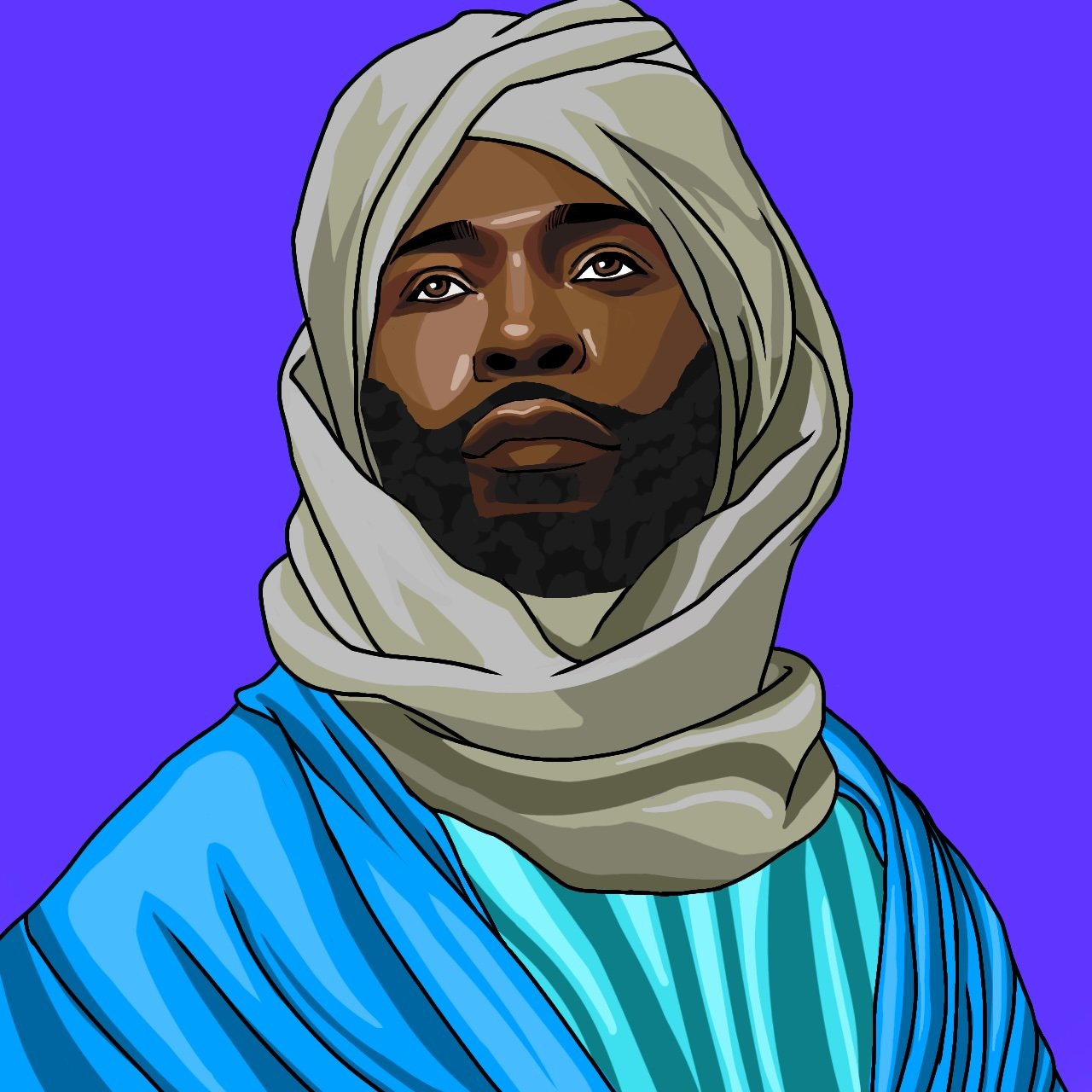
The Unnamed Many
For every name we know, thousands prayed in silence and died without record — the hafiz in the field, the mother who whispered the shahada to her children. We learn their story by carrying their faith forward, and we say their names by living it.
We remember themCarry the chain forward
Honor them by learning them — and by continuing the work.
The Black Dawah Network continues Malcolm X's unfinished mission: building institutions, defending the oppressed, and calling our people back to the faith their ancestors guarded through the worst of bondage. Study these lives, share them, and stand in their lineage.
Learn the History Join the Movement