
Reflection on a Story from Imam Siraj Wahhaj
On tawakkul, organized da'wah, and the corner in Bedford–Stuyvesant
There is a powerful story from Imam Siraj Wahhaj that captures the essence of the Black Muslim tradition, and we would do well to sit with it.
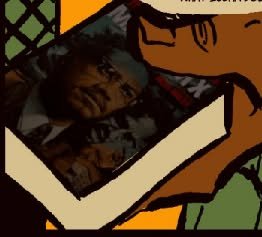
Before he was the Imam we know today, he played on his school's basketball team, where a teammate happened to be a member of the Nation of Islam and began teaching him about it. That teammate took him to the Nation's mosque, which he would eventually join. Soon after, he describes being so fired up that he quit his job to sell the Muhammad Speaks newspaper full time.
One day, he went to a housing project in Bedford–Stuyvesant, Brooklyn, and encountered two young African-American men. He had an instinct that one of them, who was armed, intended to rob him. In that moment, he had a decision to make: move forward and try to sell them a Muhammad Speaks paper, or turn back.
“I don't fear nothing but Allah.” Imam Siraj Wahhaj
And he moved forward. As he approached, the young man pulled out his firearm, hesitated, put it back in his pocket, and said, “You just can't rob a Muslim.” He paid Siraj Wahhaj for the newspaper. There are so many lessons to be derived from this story.
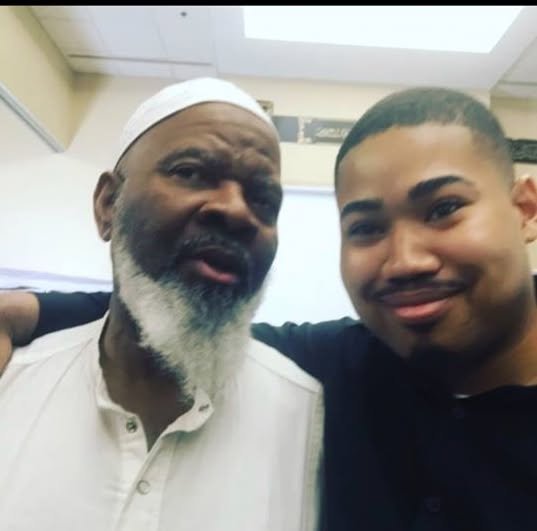
The selling of the Muhammad Speaks newspaper, the largest-selling Black newspaper that addressed Black issues, combined with the Nation of Islam's religious and political infrastructure and its charismatic ministers who addressed Black issues, from Malcolm X to Minister Farrakhan, created a machine to address the Black plight and the Black condition. This won over the respect of masses of Black people, willing to alter their behavior and conduct out of respect for Muslims. We need to get back to this: our religion sustained by organized effort, our people speaking out and moving.
This story is tawakkul in action, trusting in Allah and fearing nothing but Him. As Muslims, we need to return to having an active presence in the neighborhoods replete with crime and vice, the very places everyone else runs from, to speak to people and call them to the better way of Allah. We should not fear doing this. We should be more active and organized in doing this.
One is struck by the bravery of the early Muslims who took on the Persian and Roman empires against overwhelming odds. Surely that was a greater feat than walking into a housing project or into the hood. So why do we hesitate to do the lesser thing?
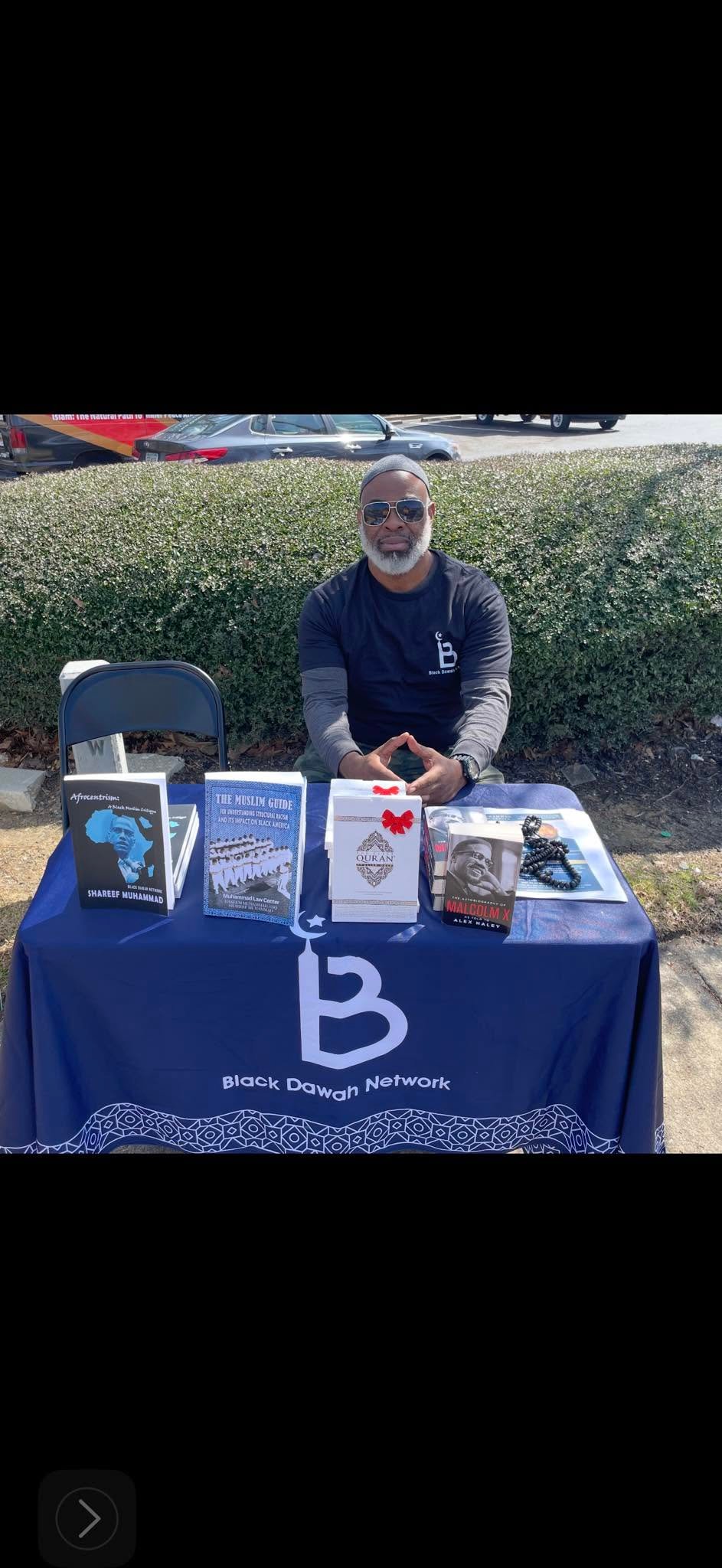
At the height of the drill rap scene, when young Black men were dying from gang violence and shootouts on the corner near the Parkway Gardens housing project in Chicago, Muslims from the Black Dawah Network stood on that very corner, where shootouts would occur, and spoke to people about the Qur'an and the Autobiography of Malcolm X.
As a collective, we need to get back to this. The respect was earned. Let's talk about lessons to learn from this story by Imam Siraj Wahhaj.
Da'wah met people where they were
Selling Muhammad Speaks wasn't abstract theology; it addressed the material and political conditions Black people were actually living through. It spoke to unemployment, to police brutality, to poverty, to the daily indignities of Black life in America. It named the condition before it offered the cure. That is why it had teeth. Da'wah that floats above the actual lived reality of the people you're calling to is da'wah that goes unheard. The message has to touch the ground people are standing on before it can lift them off it. But addressing the material condition was never the whole strategy. It was the entry point, not the endpoint.
Consistency and infrastructure matter for da'wah in the Black community
One brave encounter is a story. Thousands of men selling Muhammad Speaks door to door, corner to corner, day after day, is a movement. The respect the Nation earned wasn't from a single act of courage but from sustained, organized effort. It is easy to admire a single act of bravery in a housing project. It is much harder to build and sustain the machinery, the newspapers, the mosques, the appointed men on appointed corners, that turns one man's courage into a permanent presence in a community.
This is the piece we consistently underbuild today. We are quick to organize a single event, a single food drive, a single da'wah stand, and slow to build the standing infrastructure that makes the next one automatic rather than improvised. The Nation of Islam did not rely on inspired individuals doing brave things in isolation. It built a structure, a newspaper with national distribution, a hierarchy of ministers, assigned territories, and expectations of consistency, that could take a fired-up new convert like Siraj Wahhaj and immediately give his energy a direction, a corner, a task, and a deadline. Individual courage without institutional structure burns bright and burns out. Institutional structure without individual courage is bureaucracy with no soul. You need both, and you need the infrastructure built before you need it, not scrambled together in response to a crisis.
A single soul can be a turning point
The teammate who introduced him to the Nation of Islam probably had no idea he was setting in motion the path of a man who would become one of the most respected Imams in America. We don't always see the fruit of the seeds we plant, and we're not owed the sight of it. Our job is to plant, consistently and without complaint, and to trust that Allah decides which seed becomes a tree.
The state of Black da'wah today, and why organization is the missing piece
The moment is on us
As Muslims, the moment is on us to get organized with da'wah and go into Black America, into the neighborhoods everyone else has written off. We must go after our people. We cannot wait for the plight to resolve itself, and we cannot wait for someone else to organize the response. We do for self, or it does not get done. This is not a slogan. It is the actual model this story teaches: men who organized themselves, went into the communities everyone else avoided, and built the infrastructure to sustain that presence rather than waiting on permission or resources from outside the community.
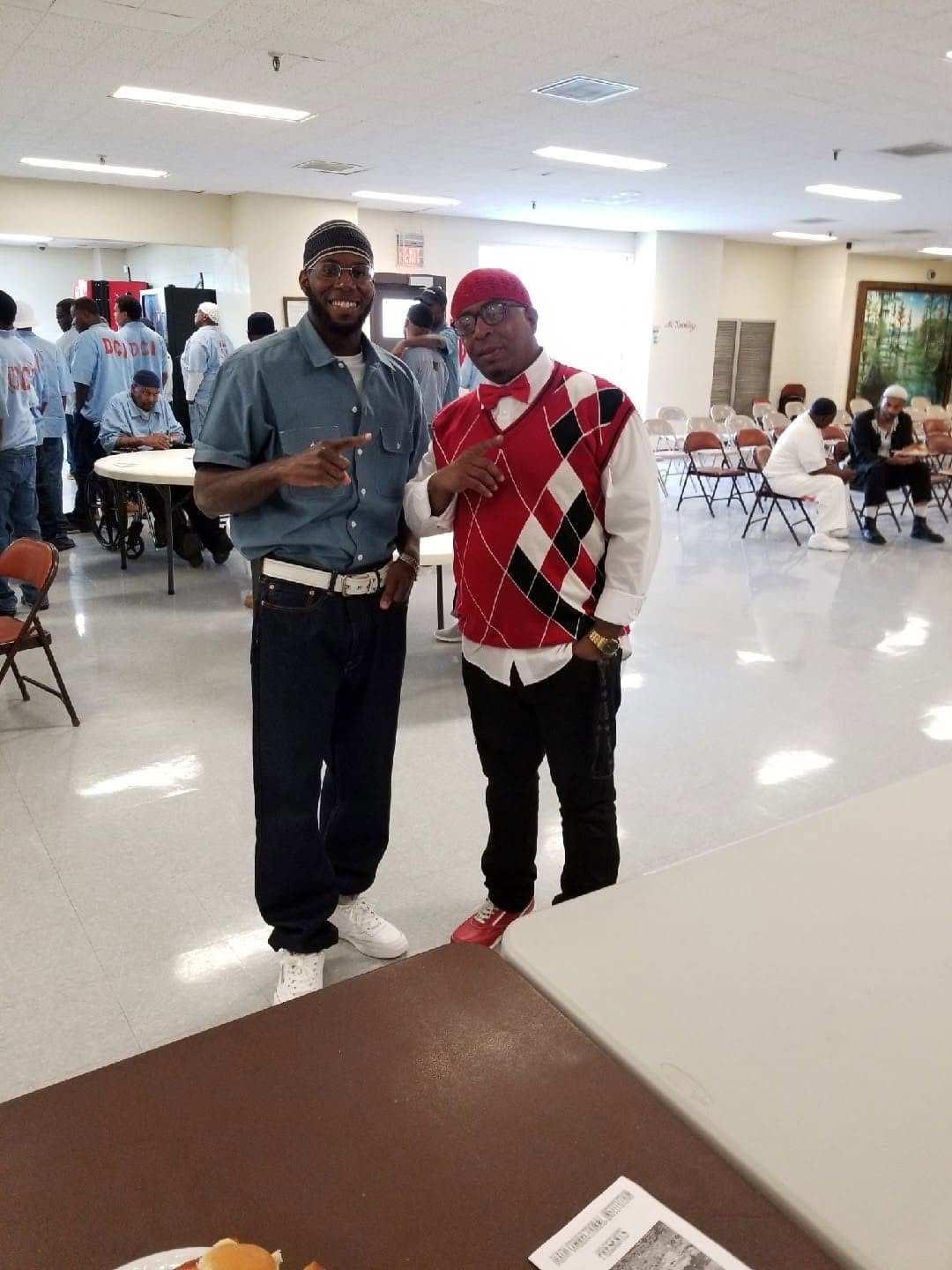
Prison, gangs, and drugs are destroying our people in real time. Mass incarceration cycles Black men in and out of cages built to break rather than restore them. Gangs recruit the young men we leave unorganized and unmentored, offering them structure and belonging we should have offered first. Drugs move through our neighborhoods unchecked when we should be the ones moving through those same neighborhoods instead, filling the space drugs currently fill. People do not turn to drugs by accident. They turn to them to fill an emptiness, a void that a God-centered life was always meant to fill. Where there is no meaning, no purpose, no connection to something greater than the moment, drugs rush in to numb what should have been answered by faith. We cannot out-argue that void. We have to out-organize it, standing in the same neighborhoods, offering the same presence, before the emptiness finds something else to fill it.
Back to the corner in Bedford–Stuyvesant
Siraj Wahhaj did not move forward that day as a lone individual improvising courage out of nothing. He had an institution behind him, the Nation of Islam's papers, mosques, and ministers, that had already given him a task, a corner, and a reason to be there. What he supplied in that moment was the individual will to keep walking with only Allah as his fear. What the institution supplied was everything that made that walk matter beyond the moment itself: the direction, the structure, the machine that would take his courage and multiply it a thousand times over through thousands of other men doing the same thing on thousands of other corners.
That is the lesson for us now. We need both halves, and we cannot pretend one substitutes for the other. We need individuals willing to move forward like he did, fearing nothing but Allah. And we need institutions built to receive that courage, give it a task and a corner, and sustain it long after the moment has passed.
The Nation gave Siraj Wahhaj a task, a corner, and a structure to catch his courage. Black Dawah Network is building that same machinery for our moment: organized da'wah in the neighborhoods everyone else has written off, food distribution through No Neighbor Hungry, an academy forming the next generation of callers, and a standing presence confronting the prisons, the gangs, and the drugs destroying our people. Your courage needs somewhere to go. This is where it goes.
The respect was earned once by a community organized enough to meet the plight of its own people head-on, unafraid and undistracted. It will be earned again the same way. The moment is on us. The only question left is whether we organize for it.
